

When Cornell University graduate Willis Carrier first demonstrated his invention in 1902, few would have guessed the air conditioner’s profound impact on modern life. Since 1990, the number of air conditioning units installed in Europe has more than doubled and is projected to quadruple by 2050.
So, how should air conditioners be set to efficiently maintain the ideal temperature to keep us comfortable while avoiding a ballooning electrical bill?
We’ll take a look at that, but first we’ll examine the benefits and drawbacks of air conditioning so you can determine just how much air conditioning is important to you, as well as alternatives to air conditioning and the energy saving that comes from reducing air conditioning use.
The Benefits of Using an Air Conditioner
Providing a Consistent Temperature Level
A regulated and controlled ambient temperature is essential for people at risk of heart disease or multiple sclerosis. Maintaining a safe temperature range is critical for environments where babies are present. Similarly, senior citizens have a limited ability to tolerate extreme temperatures and are more comfortable in an air-conditioned environment.
Air conditioning becomes a lifesaver during heat waves and reduces the problems associated with heat exhaustion, such as cramps, dizziness and fainting.
Increases Productivity
We get distracted when the temperature falls outside our comfort zones because it dramatically affects productivity and cognitive function. Air conditioners can provide a stable temperature range to foster learning in schools or raise productivity levels in the workplace.
A Good Night’s Sleep
We expect the temperature to decrease gently at night, and when it doesn’t, things become uncomfortable. A comfortable nighttime temperature is crucial to promoting healthy sleep routines, impacting a wide range of other health issues, like stress and cognitive function.
Potentially Clean Air and Low Humidity
In climates where mildew and mould are problematic, air conditioners’ ability to deliver air with low humidity creates a far healthier environment, particularly for people with respiratory problems.
As long as the filters are regularly changed, ducted air conditioning does a great job cleaning the air and removing contaminants and allergens, much to the relief of hay fever sufferers. The filtration systems trap pollen and other airborne particles while simultaneously delivering air with reduced humidity.
OK, Now What About the Drawbacks

Fatigue and Sick Building Syndrome
Occupants of buildings that rely extensively on the forced air supply from air conditioning sometimes report feeling fatigue, nauseous and difficulty concentrating. Headaches and dry skin are also experienced.
Proper maintenance of the air conditioning filters and allowing natural air to circulate through the building can reduce the incidence of these conditions.
Dryness and Dehydration
Air conditioners reduce the humidity levels of air delivered into buildings, which can cause residents to experience discomfort from dry skin and eyes. Supplementing the air supply with natural ventilation can reduce these symptoms.
Dehydration is also a problem that comes from exposure to air conditioning. It’s particularly a problem if one’s water intake is low.
Respiratory Issues and Aggravating Chronic Conditions
If the AC unit is poorly maintained it can cause a buildup of dust, mould and bacteria, which is then released into the air, triggering respiratory issues like allergies, sinus infection and asthma. Using too much air conditioning can result in a lack of fresh air, which increases indoor pollutants and contributes to respiratory infections.
In some cases, the cold air from air conditioning aggravates symptoms of arthritis, bronchitis and sinusitis.
Environmental Impact and Cost
Air conditioners are energy hogs. They don’t just use costly electricity that may or may not be sourced from fossil fuels depending on where you live, but they also require refrigerants to run. Older CFC refrigerants have, thankfully, been phased out for the damage they did to the ozone layer, but newer refrigerants still have a high GWP (global warming potential). The cost to run air conditioners can have quite an impact on a home’s utilities budget in the summer months.
Air conditioners also contribute to the urban heat island effect. Because they dump so much heat outside it can significantly raise the temperature of cities, which in turn causes people to use air conditioners even more.
Energy-free Alternatives to Air Conditioning
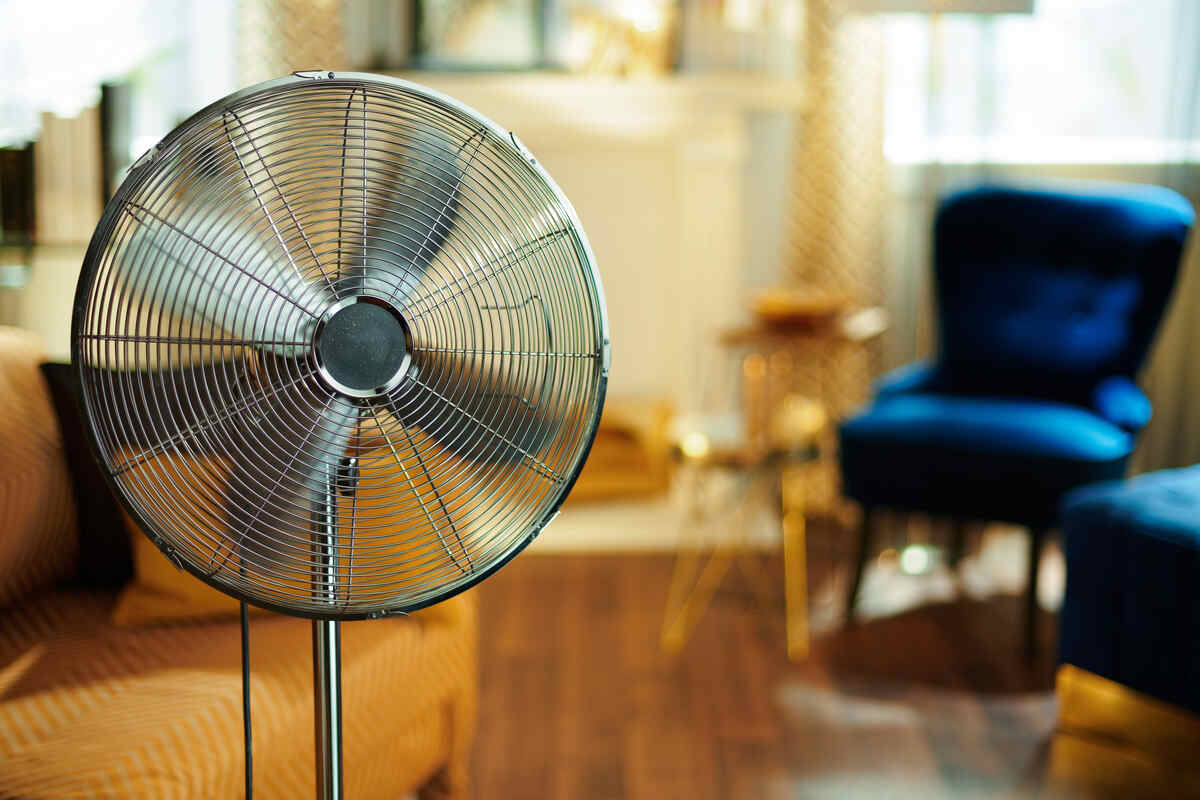
At certain times in the year, the ambient temperature is not quite hot enough to warrant switching on the air conditioning. By adopting passive cooling techniques, you can reduce your utility bill and extend the times when air conditioning is unnecessary.
Opening windows to allow air to flow into and out of rooms will have a cooling effect, as will opening windows at higher levels to allow warmer air to escape. While the orientation of the building has a marked effect on sunlight entering the building, planting deciduous trees to shade openings from summer sunshine will also provide relief from high temperatures.
While not quite energy-free, fans are super-efficient at reducing the temperature, creating a gentle breeze through the room with minimal energy consumption.
If you’re interested in learning more about passive cooling techniques read Traditional and Modern Passive Cooling Strategies for Buildings.
What’s the Right Temperature to Set an Air Conditioner in Summer?
Studies suggested the ideal office temperature should be 22°C. However, no sooner had the findings been published than the basis of the study was questioned. It was the temperature men in suits found the most comfortable. Their female colleagues had other ideas, so the argument raged. The simple answer is that there is a range that suits most people, so compromise within a degree or two, and everyone is comfortable.
But to give you an idea of what’s recommended. The Canadian Standards Association wisely provided an ideal office temperature range of 23°C to 26°C, with 24.5°C being the specific target. That is with a relative humidity of 50 percent. The WHO suggests setting it at 27°C.
Humidity plays a significant role in perceived comfort levels. Fortunately, air conditioners reduce humidity, making higher temperatures seem less uncomfortable.
The quality of home insulation determines the air conditioner’s efficiency in maintaining a comfortable temperature range. Good insulation will reduce the time the air conditioner has to operate, saving energy and money.
While reducing the temperature may seem like a refreshing idea on a blistering hot day, the additional energy consumption and associated bill may change your opinion. Bear in mind that simply raising the temperature a degree from 25°C to 26°C will reduce your cooling costs between 3 to 5 percent.
The Best Temperature for a Restful Sleep
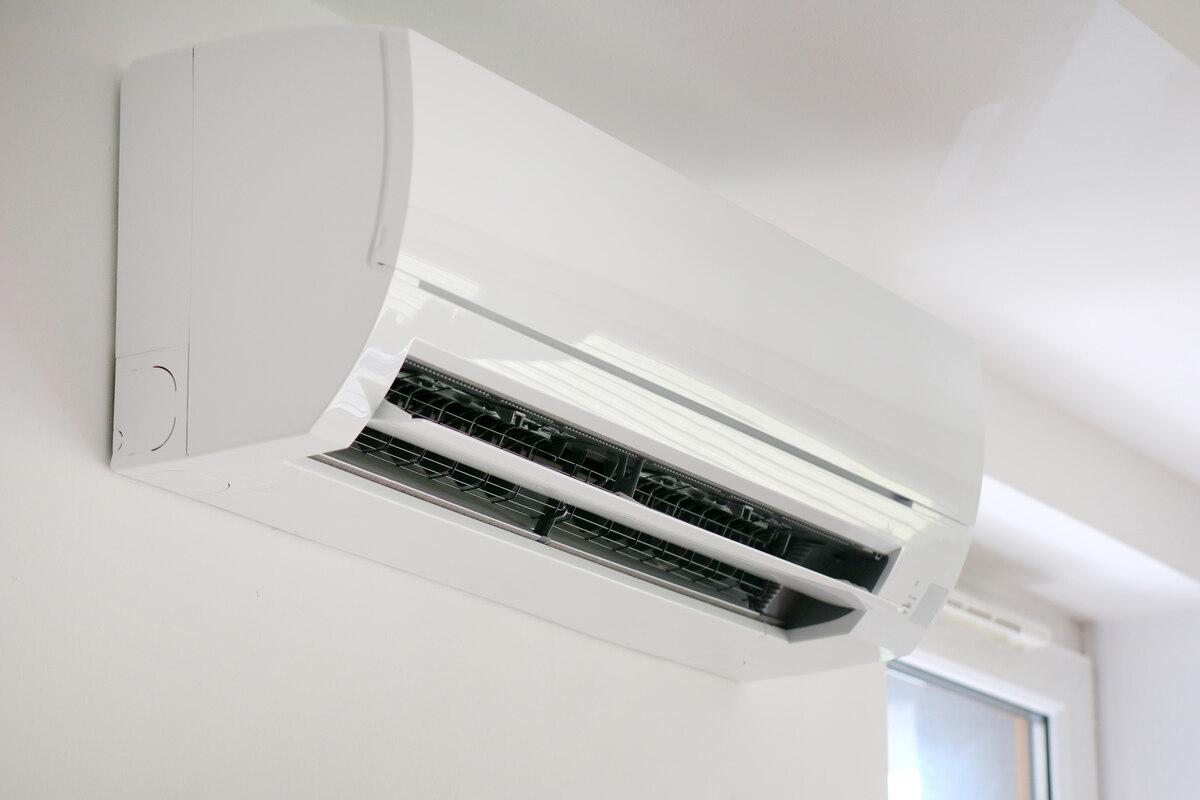
When sleeping, body temperatures drop, requiring the room temperature to do the same to ensure a restful night. Fortunately, the external ambient temperature naturally drops at night, so reducing from daytime to comfortable nighttime temperatures is not onerous.
Reducing the heat build-up in your bedroom during the day will make it easier to achieve the best temperature for sleeping, which should be in the range of 15.6°C to 20°C. Given the lower outside temperatures, nighttime is a particularly useful time to employ passive cooling techniques like cross ventilation to achieve a lower temperature while you sleep. If you combine that with shading the room from the hot afternoon sun, you may be fine to do without air conditioning altogether.
What’s a Good AC Temperature for Energy Saving?
Though public buildings are required to maintain a maximum summertime temperature (it depends on the jurisdiction), private residences have the freedom to choose the most comfortable temperature while still maintaining energy efficiency.
Everyone’s heat tolerance is somewhat different as is everyone’s desire to save electricity. Also consider that there’s a health warning about creating a temperature difference greater than 12°C between outside and inside temperatures.
It pays off to play around with your AC. Try setting it at a higher rate than you normally would to see if you remain comfortable. Even if you just set your air conditioner a little higher than normal it has substantial advantages. Instead of putting it at 25°C, try setting it one degree higher. This small change will reduce your air conditioner’s energy bill by 3 to 5 percent, and it really is the perfect temperature for your air conditioner to operate efficiently.
However, there is another advantage: the reduced strain will prolong the air conditioner’s life. Keeping the air conditioner working within a range rather than trying to cool a room down quickly will save you money and extend the unit’s lifespan. Setting your air conditioner to a lower temperature in the belief that it will cool the room down quicker will only waste electricity.
Average Consumption and Cost to Run a Small Air Conditioner 8 Hours a Day
| Indoor Temp (°C) | Est. Power Use (kW/h) | 8-Hour Consumption (kWh) | Daily Cost (€) |
|---|---|---|---|
| 18°C | 1.2 kW | 9.6 kWh | €1.92 |
| 19°C | 1.15 kW | 9.2 kWh | €1.84 |
| 20°C | 1.1 kW | 8.8 kWh | €1.76 |
| 21°C | 1.05 kW | 8.4 kWh | €1.68 |
| 22°C | 1.0 kW | 8.0 kWh | €1.60 |
| 23°C | 0.95 kW | 7.6 kWh | €1.52 |
| 24°C | 0.9 kW | 7.2 kWh | €1.44 |
| 25°C | 0.85 kW | 6.8 kWh | €1.36 |
| 26°C | 0.8 kW | 6.4 kWh | €1.28 |
| 27°C | 0.75 kW | 6.0 kWh | €1.20 |
| 28°C | 0.7 kW | 5.6 kWh | €1.12 |
Some Common Problems (And How to Solve Them)
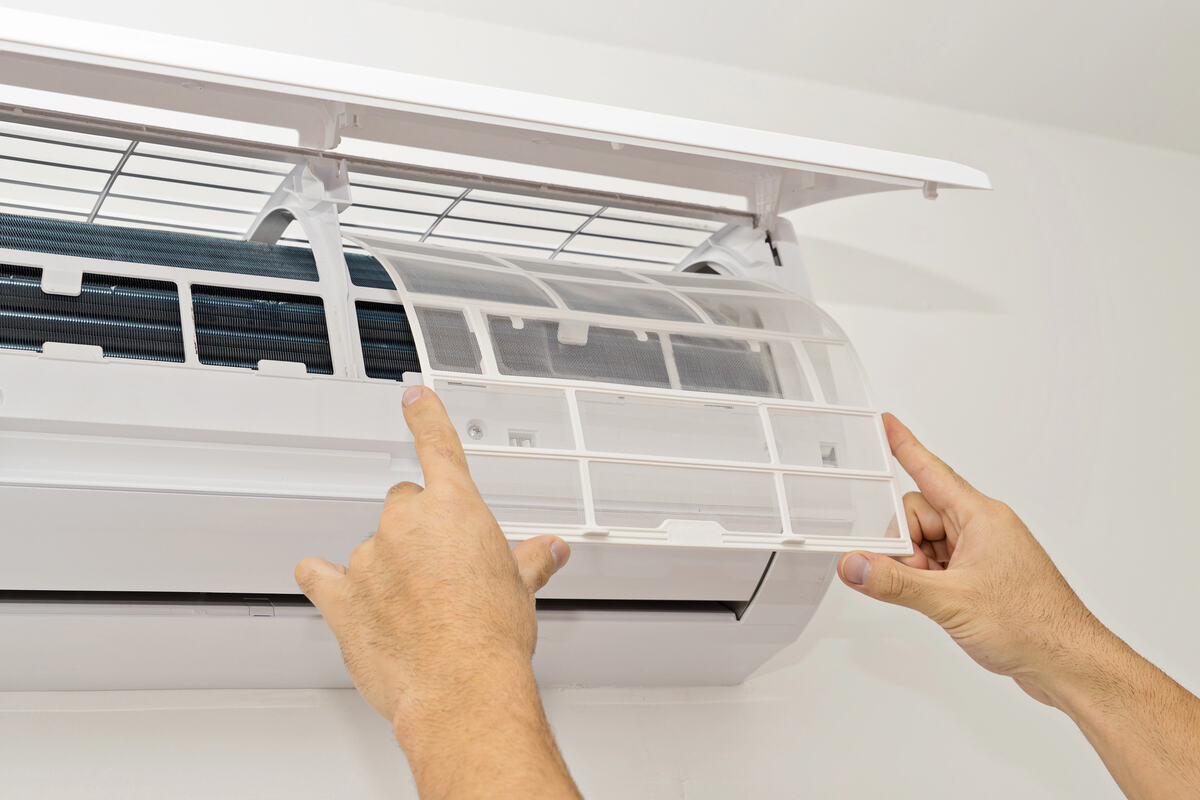
On super-hot days, your air conditioner may struggle to reach a low temperature, and it only wastes electricity and strains the unit to set the temperature too low. So when your air conditioner isn’t keeping up, limit it to the normal range and use your unit’s energy-efficient “dry” setting. Reducing the indoor humidity level makes higher temperatures far more bearable.
If your unit is still struggling, it may be due to the filters needing cleaning or replacing, or the outdoor unit may be blocked with leaves or plants. The size of an AC unit is designed to be sufficient for the volume it is meant to control; however, if the outdoor temperature is significantly higher than the average, the unit may struggle to maintain the desired temperature.
While air conditioning may be essential for sensitive people like the elderly and people with certain health conditions, too much air conditioning can create symptoms likes headaches, dry skin, dehydration and other issues in healthy individuals.
Sure, a little relief on a hot summer day is always welcome, but by combining the air conditioning with a gentle fan or preventing heat buildup by using blinds along with cross ventilation, it will limit the need to use the air conditioner all day, which will reduce your energy bill and foster good health.

