

This introduction to green building offers the basics behind what green building is all about. Geared towards those new to the world of green building, whether you’re a DIYer or professional builder new to sustainable construction.
In these pages you’ll learn some green building basics, including what it is and why we should all build green. We’ll walk you through the many terms people use for environmentally friendly building, showing you what makes a building project green. Then we’ll explore all the benefits of green building, both environmental and financial, to show you how building green on your next construction project can help you.
We’ll also get deeper into materials and techniques, showing you what criteria builders use when they evaluate the sustainability of a material. In addition, you’ll learn about natural building techniques and high performance construction techniques that can be used to build green buildings. Finally, we’ll show you some of the most important tools builders use to evaluate exactly how green a project is: certifications and ratings and life cycle assessments.
Read these pages to quickly get an idea of what green building is about. Then proceed through the rest of the site for more detailed information on anything related to going green.
1. What is Green Building?
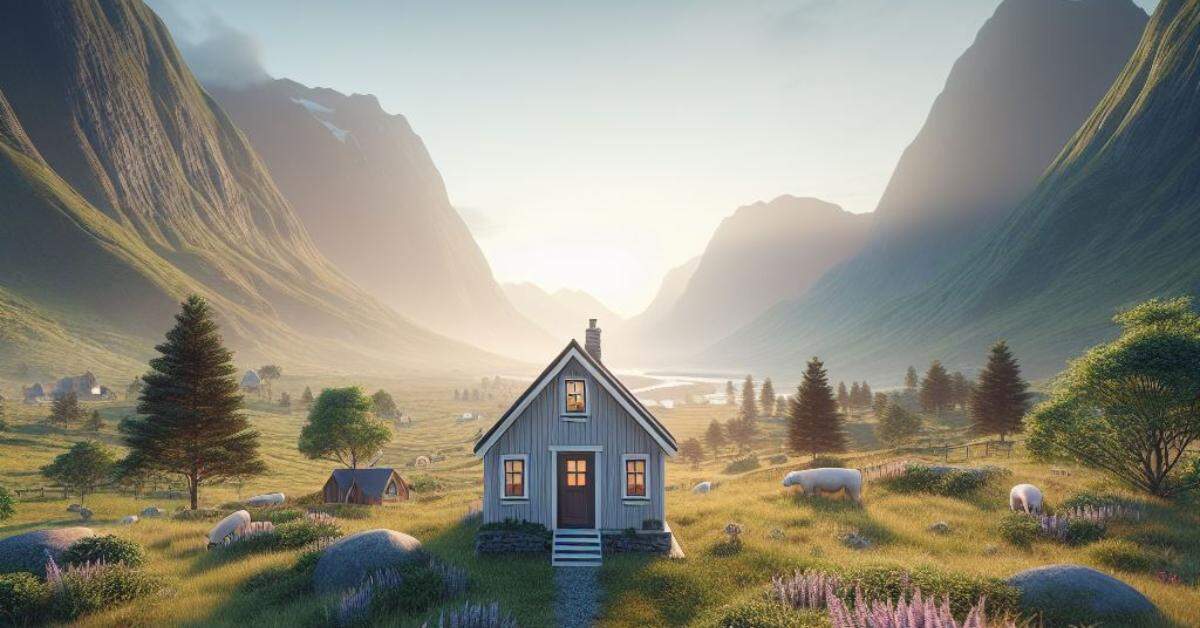
Green building is a resource-efficient method of construction that produces healthier buildings which have less impact on the environment and cost less to maintain. This sustainable approach to construction accounts for a building’s entire life cycle: siting, design, construction, operation, maintenance, renovation and demolition (read Life Cycle Assessment for more).
Names like sustainable building, high-performance building and green construction are used interchangeably to describe what is essentially the same thing, though there are variations on the theme that have slightly different meanings. Natural building, for example, is a sustainable form of building, but with an intent on using only natural building products. Sustainable design encompasses green building, yet delves into a much broader set of issues from the micro (sustainable furniture design) to macro (sustainable urban planning).
Comprehensive rating systems that certify green buildings, such as BREEAM, LEED and Passivhaus, measure the sustainability of a building according to several criteria. Taken together, these criteria form an accurate picture of what green building is all about. The common criteria are listed below.
Site
Sprawl is not sustainable. Green builders are encouraged to build on previously developed land rather than developing new land.
It’s also important to build near existing infrastructure, such as bus routes and libraries, to reduce residents’ dependence on transportation, since the effort that goes into building a green home is wasted if the occupants have to commute great distances every day.
The smaller the building site the better since there’s less environmental footprint. Sites that have been sustainably landscaped and don’t suffer from soil erosion or light pollution are also considered more sustainable.
Water
Water reduction is built in by design, using low-flow toilets, greywater systems, xeriscaping (landscaping with minimal or no irrigation) and rainwater harvesting.
The focus is first on reducing the need for water (i.e. low-flow toilets) then on dealing with water once it has been used (i.e. greywater irrigation). Water collection methods such as rainwater harvesting are also central to sustainable building.
Read the Green Building Guide to Water Efficiency for a more detailed look at this topic.
Energy and Atmosphere
Green buildings are constructed using energy-efficient designs (i.e. passive houses are built with super-insulation and other techniques to ensure a tight building envelope and minimal energy consumption).
Processes that make use of clean energy such as geothermal and solar PV systems are also widely used in sustainable building.
Read the Green Building Guide to Energy Efficiency and Renewable Energy for a more detailed look at this topic.
Materials and Resources

According to Eurostat, 38.4 percent of the EU’s total waste comes from construction and demolition. To minimize the impact of this wasteful industry, green builders reduce material usage wherever possible. They also reuse and recycle materials by salvaging, deconstructing, remanufacturing and refurbishing.
Preference is given to materials that are durable because they don’t need to be replaced as often. Care is also taken in selecting materials that are sustainably produced, come from natural, renewable sources, and require minimal transportation.
Read the Green Building Guide to Sustainable Materials for a more detailed look at this topic.
Size
Another aspect the relates to materials and resources is building size. The average home size in Europe is about 90–100 m2. Larger homes tend to use even more materials than their proportionate increase in size.
Though there have been significant improvements in recent years in building techniques and products that deliver greater energy efficiency, insulation, and airtightness of the building envelope, larger homes still demand more energy to run.
There’s no specific home or building size that is considered sustainable, but there are guidelines. Vermont Builds Greener published a scorecard that awards points based on a threshold depending on the number of bedrooms (one to six). Going above the threshold you get docked points.
Indoor Environmental Quality (IEQ)
Europeans spend up to 90 percent of their lives indoors, which means the quality of indoor air is much more important to our health than the quality of outdoor air. Green builders strive to construct buildings that are good not just for the environment, but for our health. Low-emitting materials are encouraged such as zero-VOC paints and formaldehyde-free furnishings. Improved ventilation and moisture-resistant products are also key IEQ attributes.
Building does not just imply the physical construction of structures. Building also means the development of a neighbourhood, the creation of a park, the redesign of infrastructure. Some consider green building to be a culture of transformation. One forward-thinking example would be the redesign of an entire suburban neighbourhood into a car-free, population-dense neighbourhood with easy access to urban agriculture. Living Building Challenge captures this concept of holistic building best with the provocative question, “What if every single act of design and construction made the world a better place?”
Read the Green Building Guide to Indoor Environmental Quality for a more detailed look at this topic.
2. Why Build Green?
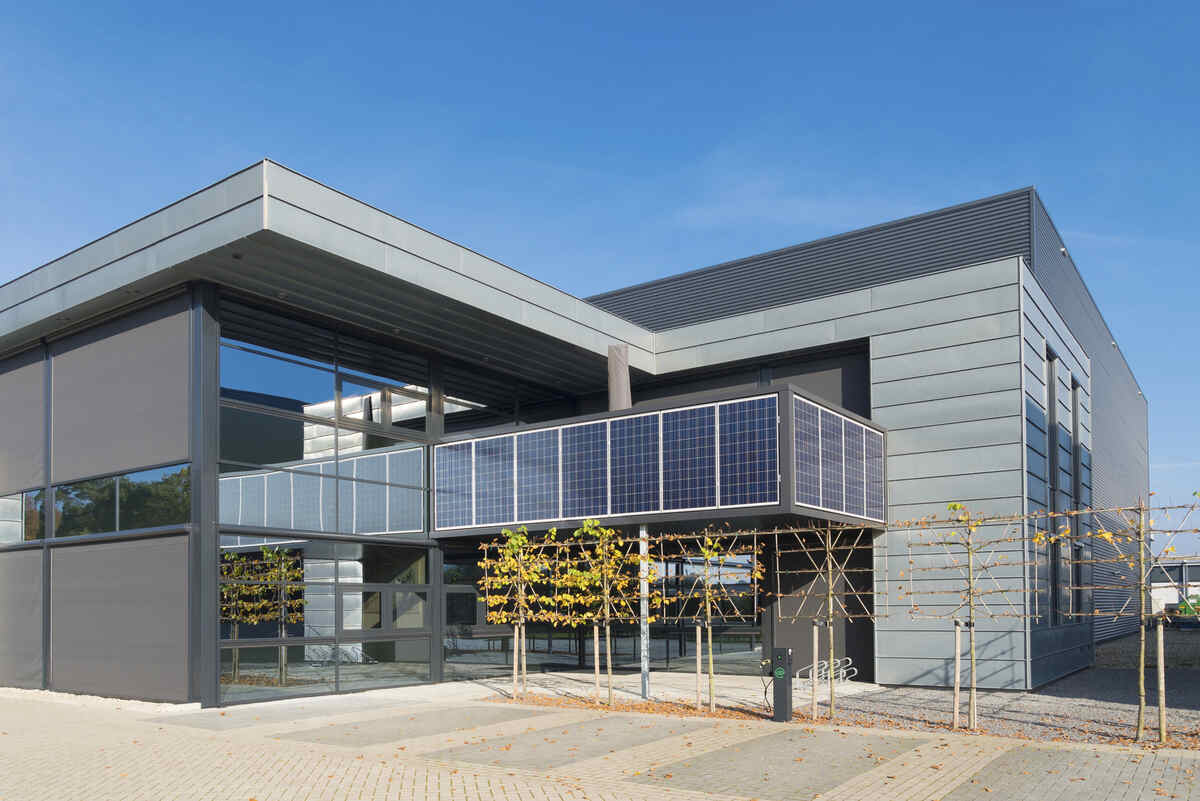
Across Europe, the realization is growing that buildings are no longer passive structures; they are central to climate action and economic resilience. Currently, buildings are responsible for approximately 40 percent of the EU’s final energy use and 36 percent of its energy-related carbon dioxide emissions. What’s more, roughly three-quarters of Europe’s buildings remain energy inefficient, while only 0.4 to 1.2 percent of the building stock is upgraded each year. This imbalance poses a huge barrier to achieving the EU’s climate goals: unless renovation rates double, buildings will fall far short of carbon neutrality targets by 2050.
Green building does come with a moderate added cost. According to industry studies, the upfront premium rarely exceeds 0.5 to 12 percent compared to conventional construction . However, that extra means investing in advanced insulation, efficient glazing, renewable energy systems like solar panels or heat pumps, and low-carbon materials – all of which offer significant benefits. A green roof, for example, costing between €108 and €355 per square metre, can more than double the lifespan of a roof and boost property value by roughly seven percent. In Belgium, upgrading homes from poor EPC labels such as F to D resulted in savings of around €57,000 over the lifespan of the investment. Thus, even modest premiums yield substantial long-term returns.
Increased Value and Occupancy Rates
Revenue gains extend beyond savings. Energy-efficient dwellings often command 4 to 10 percent higher sale prices and rent for 8 to 25 percent more. They also experience up to 23 percent higher occupancy rates. For offices, BREEAM-certified green buildings in London have shown premiums of 21 percent on sale prices and 18 percent on rents. Such performance distinctions transform green credentials from ethical upgrades to differentiating business strategies.
Environmental Impact
Environmentally, green building is monumental. Retrofitting only a quarter of the inefficient European housing stock could reduce EU-wide energy consumption and CO₂ emissions by an estimated 5–6 percent. Achieving the 2030 climate objectives requires reducing heating and cooling demand by 14 percent and slashing CO₂ by 60 percent compared to 1990 – targets only attainable by transforming buildings. Currently, the sector remains 40 percent off-track in key indicators such as energy use, emissions reduction, and renovation investment. Meanwhile, the construction sector contributes heavily to overall European emissions, and shifting to circular design and low-carbon materials could dramatically reduce embodied carbon – accounting for up to 96 percent reduction in cement-related emissions and unlocking as much as $360 billion per annum in net value globally by 2050.
The operational impact of green design is also profound. Buildings consume approximately 80 percent of their lifecycle energy during their use-phase. By decarbonizing heating, ventilation, lighting, and cooling, green buildings can transform from energy drains into “energy prosumers” integrated into the smart grid and renewable energy ecosystem. As domestic heating still relies primarily on fossil fuels – comprising 76 percent of systems in 2017 – the push for efficient electrification is central to EU targets.
Other Benefits of Building Green
Decreased demand on infrastructure – High performing buildings demand less energy and water, which decreases the strain on common resources and allows infrastructure capacity to extend farther. Municipal governments have two big reasons to be happy here. They can charge higher property taxes for buildings that have a higher property value and they save on infrastructure spending.
Increased productivity and attendance – Studies have found a positive correlation between improved indoor environmental quality and productivity and attendance. Productivity gains of 2 to 10 percent and a reduction of 35 percent for absenteeism have been reported for green leased space.
Improved sales – Higher sales have been reported in buildings that maximize natural light. A survey documented in Skylighting and Retail Sales: An Investigation into the Relationship Between Daylighting and Human Performance, reports a 40 percent increase in sales among stores that use skylights rather than electric lighting.
Government frameworks and funding further compress risk. The EU’s revised Energy Performance of Buildings Directive mandates near-zero emissions in public buildings by 2028 and across private new builds by 2030. Efforts like the Renovation Wave aim to gradually double the annual renovation rate by 2030 while channeling billions into building stock upgrades. These measures are driving large-scale finance programs, including green bonds and low-interest funding via the European Investment Bank, making green construction increasingly attractive.
3. Green Building Materials
Different people have different ideas about what actually constitutes a “green building material,” but there are certain standards that most would agree on. Any material that helps achieve the goal of improved sustainability by reducing the environmental impact of the building process would be considered green. The Construction Specifications Institute, an authority on the topic of construction specifications, has classified green building materials according to a number of criteria, which we have summarized here.
Resource Efficiency
Renewable, natural or plentiful – Natural materials that require no or minimal processing; materials that grow rapidly; renewable resources; sustainably harvested materials–certified by a third-party such as Forest Stewardship Council. (eg. bamboo, cork and FSC-certified wood).
Locally available – Products that are obtained locally reduce transportation demands and lower greenhouse gas emissions. (i.e. earth used for rammed earth and compressed earth blocks). Some of the products from the previous category, such as bamboo, make ideal building materials, but if they have to be shipped far distances they aren’t all that sustainable. Bamboo is a good example, since it’s mostly imported from Asia. Certain species of the grass can, however, be grown in Europe.
Recycled content – Building materials that are made with recycled content (i.e. papercrete, enviroboard, wood-plastic composite).
Recyclable or reusable – Different than the above—materials that are not necessarily made of recycled content, but can be recycled or reused at the end of their lives (i.e. metals, wood, plastic, glass).
Salvaged, deconstructed, remanufactured or refurbished – Grabbing something before it goes to the dump doesn’t just mean one less product that needs to be disposed of, but one less product that needs to be manufactured (i.e. furniture and fixtures such as cabinets, doors, windows and floors).
Durable – Materials that last longer don’t need to be replaced as often. Some consider non-renewable materials such as plastic to be “green” because of their durability (i.e. stone, copper roofing, hardwood flooring, and any high-quality furniture and cabinetry that lasts a long time).
Resource efficient manufacturing process – Manufacturers who are efficient in their manufacturing process by using less energy, outputting less greenhouse gases and producing less waste than conventional manufacturers.
Energy Efficiency
Any systems, materials and components that reduce energy consumption using renewable energy, such as:
- solar PV systems
- solar hot water heating
- geothermal
- wind turbines
- micro hydro
Water Conservation
Materials and systems that conserve and collect water, such as:
- rainwater harvesting systems
- low-flow toilets, faucets and shower heads
- greywater systems
Indoor Air Quality
Low- or zero-VOC / Minimal chemical emissions – Materials that emit minimal or no volatile organic compounds (VOCs) such as low- or zero-VOC paint.
Low or non-toxic – Materials that emit little or no carcinogens, irritants or reproductive toxicants.
Moisture resistant – By resisting moisture, products inhibit biological growth such as mould and last longer.
Healthfully maintained – Materials that can be cleaned using non-toxic or low-VOC cleaning products.
Health-promoting technology – Devices that assess the indoor environmental quality (IEQ) and enhance air quality, such as monitoring instruments.
Read more on this topic in Guide to Green Building Materials
4. Natural Building Techniques
Natural building is not as straightforward as the name implies. The term natural in this instance refers to the main building material, not all the materials. Recycled content like glass bottles and tires are commonly used by natural builders. Cement is also a common addition to several natural building materials.
Earth is the primary building material for about one-quarter of the world’s population, mostly in the developing world. Natural building is popular in the developing world because it can be done manually. In the West, however, natural building is slow to catch on because it’s typically rather labour intensive. And when comparing building costs dollar for dollar the cheaper method almost always wins out.
Mechanization has been creeping into natural building techniques as a way to cut down on the high costs of labour. Natural builders have many techniques to choose from, whether they want a highly sustainable option, a quick and easy method, one that’s labour intensive or one that’s not.
Cob
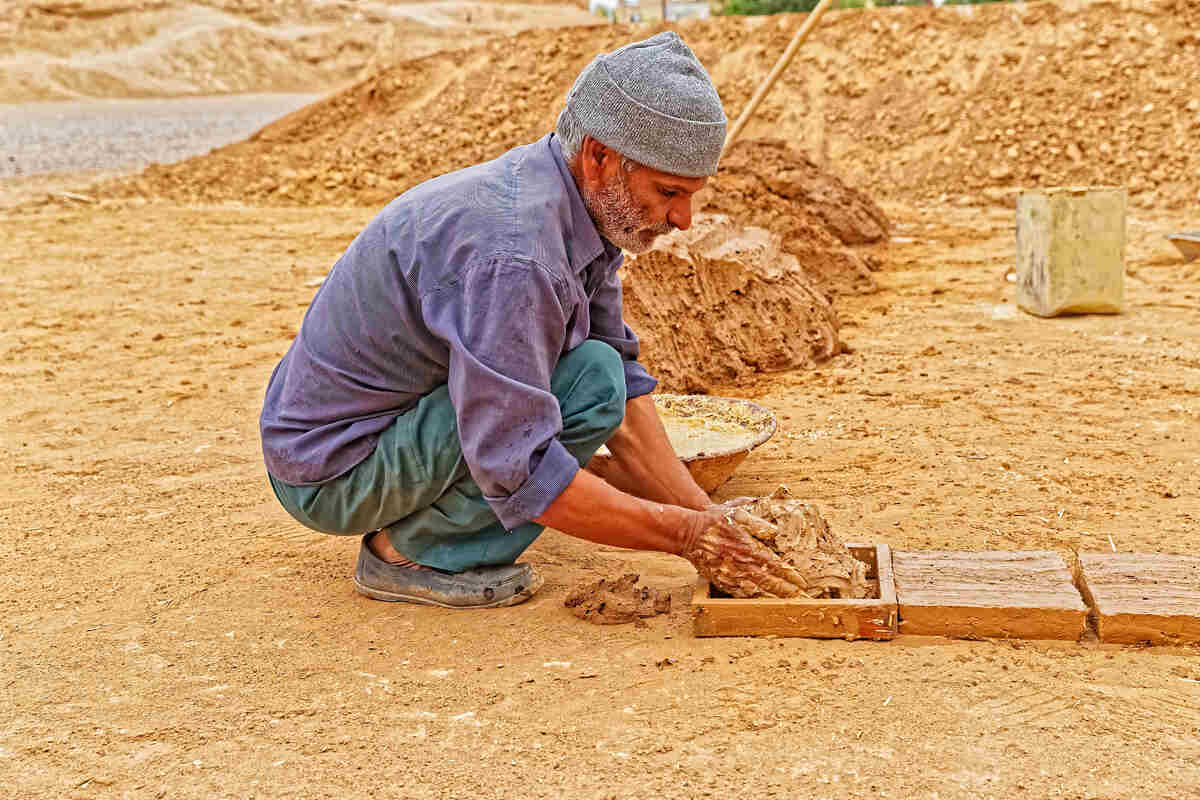
The term cob denotes the mixture of clay, sand, water and straw (or other fibrous material) that’s mixed together to form palm-sized loaves. The most common way to mix cob is manually (through a process of mushing it together by foot and flopping it around like a pancake on a tarp), but it can, however, be mixed by machine. Cob walls get built up from the foundation until they form a monolithic structure, meaning it’s one solid piece, as opposed to compressed earth block buildings, which are made up of many small blocks stacked on top of one another.
Adobe
Adobe construction has been practiced as far back as 6000 B.C. Three of the same basic materials are used as with cob (clay, sand and water) except the fourth fibrous material is only used sometimes. Once mixed, the adobe mixture is left to dry in forms until they become hardened bricks, which are then laid by masons. In locations where a building will be subject to harsh, wet weather, adobe is sometimes stabilized with a bit of cement or asphalt emulsion to keep it held together.
Compressed Earth Blocks
CEB is a mechanized alternative to adobe, which cuts labour costs significantly. Unlike handmade adobe these blocks are compressed by machine and produced with precision, yielding blocks that are uniform in size and shape, which require no mortar as a levelling compound (they can be dry stacked).
Rammed Earth
Earth is the main ingredient here as well, but instead of stacking or laying the material, it is tamped or compressed into place, usually with the use of forms. Today, mechanized equipment is generally used to do the compression.
Strawbale
Straw is a highly insulative renewable resource, making it a fine natural building material. The drawback is that straw must be kept dry or else it will grow mildew and rot away. Strawbale building can be either non-load bearing, where a post-and-beam framework will support the structure and straw is used as infill or load-bearing. Non-load bearing is the most commonly employed method of strawbale construction.
Cordwood
Cordwood refers to the short pieces of wood one would normally see in a fireplace. But rather than burning them up for fuel this wood is lined up with their ends sticking out and held together by mortar, making for a nice, natural look. Like earth, it has a high thermal mass. And like strawbale, it also has a high insulation property. In this way it makes a great building material. It does require mortar, but it is possible to use cob rather than cement for the mortar.
Timber Framing
Like earth, wood is another ancient building material. If wood is harvested from a certified source (i.e. FSC) that regenerates their forests and is sourced locally, it can be a highly sustainable natural building material. In pole construction, wooden poles are dug into the ground (which can rot quickly) whereas timber framing (also known as post and beam construction) uses a separate foundation.
Stone
Like earth and wood, people have been building with stones for millennia. And why not? It’s a beautiful, durable material with a high thermal mass. With today’s range of building materials, however, stone masonry is most commonly seen in patios and garden walls.
Papercrete
Paper from any source can be salvaged and turned into papercrete, by blending paper, cement and water together in a big mixer. As with some other natural building materials, the inclusion of cement detracts from its sustainability.
Poured Earth
This construction method is similar to concrete in how it’s made, but it’s composition is different. Rather than using sand and gravel it uses typical soil as an aggregate.
5. Life Cycle Assessment (LCA)
There’s a lot more to a story than what the blurb at the back of the book tells you. Green builders realize the benefits of sustainable building, partly because they understand the interconnected nature of life on Earth. So it’s no surprise then that the industry has embraced life cycle assessment (LCA) to accurately analyze the full lifespan of a building in its entirety rather than just looking at the sum of the parts that went into the building itself.
What is a Life Cycle Assessment?
A life cycle assessment is a methodology used to measure the impact that a product or process has on the environment, from the beginning of the process (raw material extraction) to the end of the process (disposal). These assessments can be used to analyze anything from building materials to furniture.
LCAs are used to measure both material and energy inputs and outputs, evaluate the effects of those inputs and outputs and formulate the data into useful information for understanding the outcome of a particular product or process on the air (i.e. ozone depletion), land (i.e. waste) or water (i.e. pollution).
Some Background on Life Cycle Assessments
Some aspects of LCA were in use as far back as the 1970s, but the comprehensive technical framework for the process has only evolved within the last several years. Society of Environmental Toxicology and Chemistry (SETAC) is largely responsible for developing LCA into what it is today, though a great number of other organizations have also been involved in its development.
Benefits of an LCA
Life cycle assessments are a potent tool green builders can use to choose the most environmentally sound products and processes. LCAs analyze what the effects of a transfer from one medium to another is, such as eliminating air emissions by creating a wastewater effluent. This way they can track what happens with individual components of a building to come up with accurate data on the sustainability of an entire building over its entire life cycle.
Assessing environmental impact is deceiving. Though it’s easy to see how bamboo flooring is a better option for the environment than a typical carpet, assessing the sustainability of two similar bamboo floors isn’t so obvious unless conducting an LCA. How far did the flooring travel before eventually getting installed? How much embodied energy went into it? What effect will its disposal have?
Though one product on the surface could appear to produce more carbon emissions, when its entire environmental impact is taken into account (e.g. effects on air, land, and water) it could be far less harmful for the environment than the product that emits less carbon.
Information is power. Empowered by the comprehensive data that an LCA provides, it becomes much easier to gain stakeholder acceptance (i.e. government, citizens) because builders have reliable data to point to when backing their case for a building.
Resources for Conducting an LCA
The National Risk Management Research Laboratory published Life cycle assessment: Principles and Practice, a free e-book that covers the whole process of conducting an LCA.
A number of software tools are available to help perform life cycle assessments. The Whole Building Design Guide hosts a list of life cycle costing, assessment and management, and the DOE maintains a comprehensive directory of building energy software tools.


