

This guide will introduce you to the world of indoor environmental quality (IEQ). It’s intended for anyone interested in learning more about what makes up a healthy indoor environment and how to improve the quality of their indoor environment during new building projects or renovations.
The guide is divided into several sections. The first explains the concept of IEQ, the factors that make a building healthy or unhealthy and the impacts that poor environmental quality can have on building occupants. Subsequent sections explore each environmental factor in detail, outlining the impacts each factor has on IEQ and offering building strategies and techniques for improving it.
Indoor Environmental Quality (IEQ)
Europeans spend, on average, 90 percent of their lives indoors. And while it’s intuitive to think that the conditions that make up our indoor environments would therefore have a big impact on our health and wellness, the concept of indoor environmental quality has only recently been studied in earnest.
Discussions of what the World Health Organization came to call “sick building syndrome” surfaced in the 1970s, when rates of illnesses began to spike in people working in newly constructed office buildings.
Building-related symptoms included coughs, headaches, dizziness, nausea, fatigue, eye, nose and throat irritation and skin problems, which seemed to have no specific cause, but improved once affected people had left the building.
Research uncovered that new building practices like air-tight construction with inadequate ventilation and widespread use of high-emitting synthetic building materials were behind these symptoms. This discovery led to a still-evolving study of the effects of indoor environments on human health.
The Centers for Disease Control and Prevention (CDC) now defines IEQ as “the quality of a building’s environment related to the health of occupants within it.” Discussions of IEQ sometimes refer only to indoor air quality (IAQ), but the term encompasses all of the environmental factors that impact a building resident or occupant, including lighting, acoustics, thermal comfort, ergonomics and even building design.
Indoor Air Quality
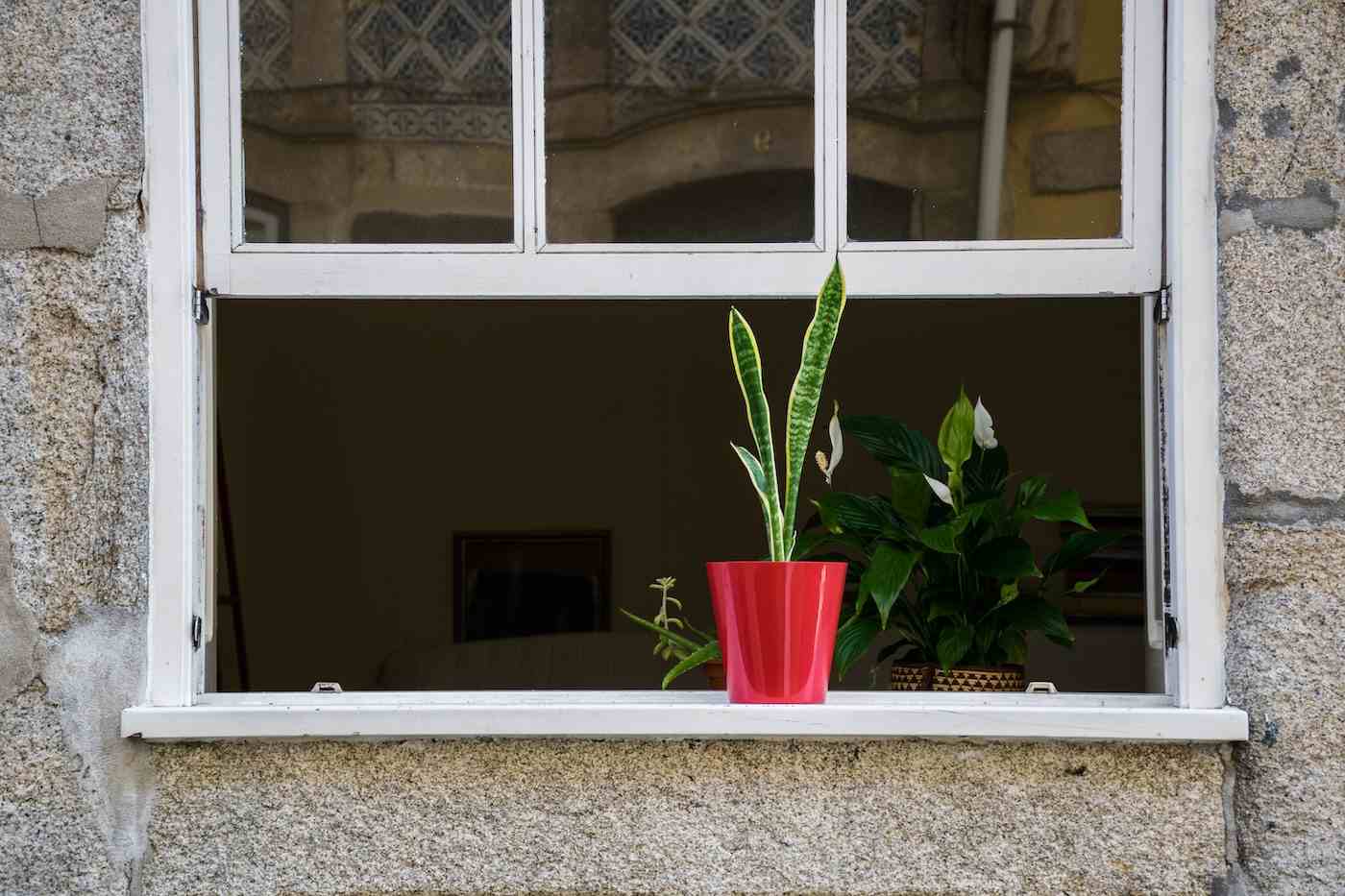
Indoor air quality is the most well-known and well-studied of all the factors that contribute to IEQ. IAQ simply refers to the quality of the air within a built environment. High IAQ is free of pollutants, allergens, organic matter such as mould spores and particulate materials. Poor IAQ could be high in one or several of these things.
Several health effects are associated with poor air quality:
- Headaches, fatigue and shortness of breath
- Worsening allergy and asthma symptoms
- Sinus congestion, cough and sneezing
- Eye, nose, throat and skin irritation
- Dizziness and nausea
Long term, poor air quality can lead to respiratory and heart diseases, cognitive issues and cancer.
The risks are heightened for children, elders and people with pre-existing medical conditions. Poor IAQ is more likely to be experienced by marginalized communities and low-income households.
The most common sources of indoor pollution include: combustion heating sources like fireplaces and gas stoves, older building materials containing asbestos, new building materials containing VOCs and other harmful chemical compounds, mould, household cleaning products, pesticides, outdoor pollution and radon.
How Is IAQ Determined?
The EPA explains that there are 4 basic ways to determine whether a building has an issue with IAQ. First, they suggest watching for health symptoms, “especially if they appear after a person moves to a new residence, remodels or refurnishes a home, or treats a home with pesticides.”
Second, they advise us to “identify potential sources of indoor air pollution,” sources such as a gas stove or a freshly laid carpet.
Third, the EPA suggests examining any lifestyle habits that might be contributing to indoor air pollution (smoking, for example). And finally, they recommend assessing a home for signs of ventilation issues, including moisture problems, mould and mildew, as well as stuffy air.
Improving IAQ
There are many opportunities to improve IAQ during construction and renovation projects. The Whole Building Design Guide recommends the following strategies for new home construction:
- Supply an adequate quantity and quality of ventilation and intake of outside air to ensure acceptable indoor air quality;
- Prevent airborne bacteria, mould, and other fungi, as well as radon, through building envelope design that properly manages moisture sources from outside and inside the building, and with heating, ventilating, air-conditioning (HVAC) system designs that are effective at controlling indoor humidity;
- Use materials that do not emit pollutants, or are at least low-emitting
Other effective strategies include decarbonizing heating systems and cooking appliances, installing carbon monoxide and radon monitors and choosing natural or zero-VOC paints, finishings and furnishings.
Lighting
Studies tend to agree that natural light is the best lighting strategy for human health because natural light is what we’ve evolved to need. Artificial lighting produces different spectrums of light – spectrums that don’t approximate what our bodies require to function as biological organisms.
A 2002 literature review by the National Renewable Energy Laboratory (NREL) on the effects of natural light reports that daylighting “has been associated with improved mood, enhanced morale, lower fatigue, and reduced eyestrain,” in addition to fewer stress-related illnesses.
Artificial lighting, on the other hand, particularly “prolonged exposure to cool white fluorescent lights” negatively impacts human circadian rhythms, which has detrimental effects on our nervous systems, our blood pressure, our endocrine systems and our mental wellness.
NREL suggests that health problems can be reduced by improving building occupants’ access to daylight or, if that’s not feasible, using bright, full-spectrum lights.
Positive lighting strategies are more complex than simply adding light, however. NREL notes that problems with glare, as well as high indoor temperatures, can create unintended health consequences like headaches, fatigue, heat-related discomfort and eye strain.
Improving Lighting
Designing for daylighting is a complex business, requiring designers to consider geographical location on a macro and a micro level, site topography, building layout, climate and building materials, all of which play a role in determining the light resources available.
Architect Gregg D. Ander states that effective daylighting design is really only possible with new builds, since they can optimize building orientation and “develop a climate-responsive window-to-wall area ratio” that balances heat gain and loss and considers glare and possible variations in light availability.
He recommends high-performance glazing systems for windows and active or passive skylights designed with heat gain and loss in mind. These and other recommendations, like shading mechanisms and more reflective ceilings and walls, are equally possible in a retrofit.
Installing skylights, adding sidelights to a door or replacing a solid door with French doors are all straightforward ways to increase available daylight during renovations. Even using lighter-coloured paint and window treatments or adding mirrors and reflective surfaces can brighten an interior.
Acoustics

Acoustical comfort is achieved when a built environment provides a sufficient acoustical environment to interact, do concentrative work and provide enough space for confidentiality.
The same goals apply in residential construction. One family member ought reasonably to be able to concentrate on homework in one room while another comfortably carries on a conversation in a different room.
Noise exposure, especially exposure to noise pollution coming from outside a building, can have a surprising impact on human health, and it disproportionately impacts people living in low-income households. Research by the European Court of Auditors (ECA) finds that “Noise causes 12,000 premature deaths and 48,000 new cases of ischaemic heart disease, contributes to learning disabilities in children, causes sleep deprivation and annoyance, and costs Europeans an estimated 40 billion euros per year.”
Improving Acoustics
Improving acoustical comfort is complex. Policy interventions such as traffic management and noise bylaws could be as important to mitigating noise pollution as any building improvements.
For a new build or a serious retrofit, technologies like noise-reducing laminated core gypsum board, acoustic insulation or noise-dampening windows could go a long way towards reducing sound issues in a building.
Giovana Martino of ArchDaily suggests taking a practical approach to acoustical improvements. She notes that no ordinary building will ever be completely insulated from noise, especially given that traditional building materials offer little in the way of acoustic insulation.
So rather than attempt to completely isolate a building, she advises identifying where problem noises are coming from or are likely to come from. Strategically installing double-pane windows, acoustic panels, ceiling panels and rubber sheets in spaces where noise is infiltrating will help increase acoustical comfort, she says.
Not every intervention needs to be a major one. Even simple additions like carpets, heavy curtains and larger, upholstered furniture pieces can help dampen sound by absorbing soundwaves rather than reflecting them.
Thermal Comfort
Thermal comfort entails the ability of building occupants to make their space as warm or cool as is comfortable for them. The USGBC offers more detail, stating that thermal comfort controls “allow occupants, whether in individual spaces or shared multioccupant spaces, to adjust at least one of the following in their local environment: air temperature, radiant temperature, air speed and humidity.”
Comfort, of course, is subjective and many factors influencing personal comfort are beyond the power of any builder or designer to address. According to the International WELL Building Institute (IWBI), however, thermal factors have several measurable impacts on human health.
Cold temperatures and sudden drops in temperature are associated with a decrease in lung function and can trigger asthma. IWBI cites the EPA’s BASE Study, which found that hotter indoor temperatures in the winter and colder indoor temperatures in the summer were associated with building-related illness symptoms.
Humidity also falls under the umbrella of thermal comfort. Excessively high or low humidity can lead to respiratory irritations, allergic reactions and asthma, says IWBI.
Improving Thermal Comfort
IWBI offers practical solutions for optimizing thermal comfort. They suggest that radiant heating and cooling, rather than forced air systems, is a good option for building health as it reduces the allergens that would otherwise circulate through the building. They further suggest ensuring that HVAC units are correctly sized.
Personalized or localized control over thermal conditions, they state, better allows occupants to maintain their own comfort. Localized control includes such simple measures as operable windows.
Upgrading insulation, making use of passive cooling strategies like shade trees and natural ventilation and properly sizing the HVAC system are straightforward solutions that will also help conserve energy.
Whether a building project is a new construction or a retrofit, sealing air leaks will improve comfort by eliminating drafts.
If it’s in the budget, radiant flooring can provide a boost to occupant comfort and greater control over thermal conditions.
Ergonomics
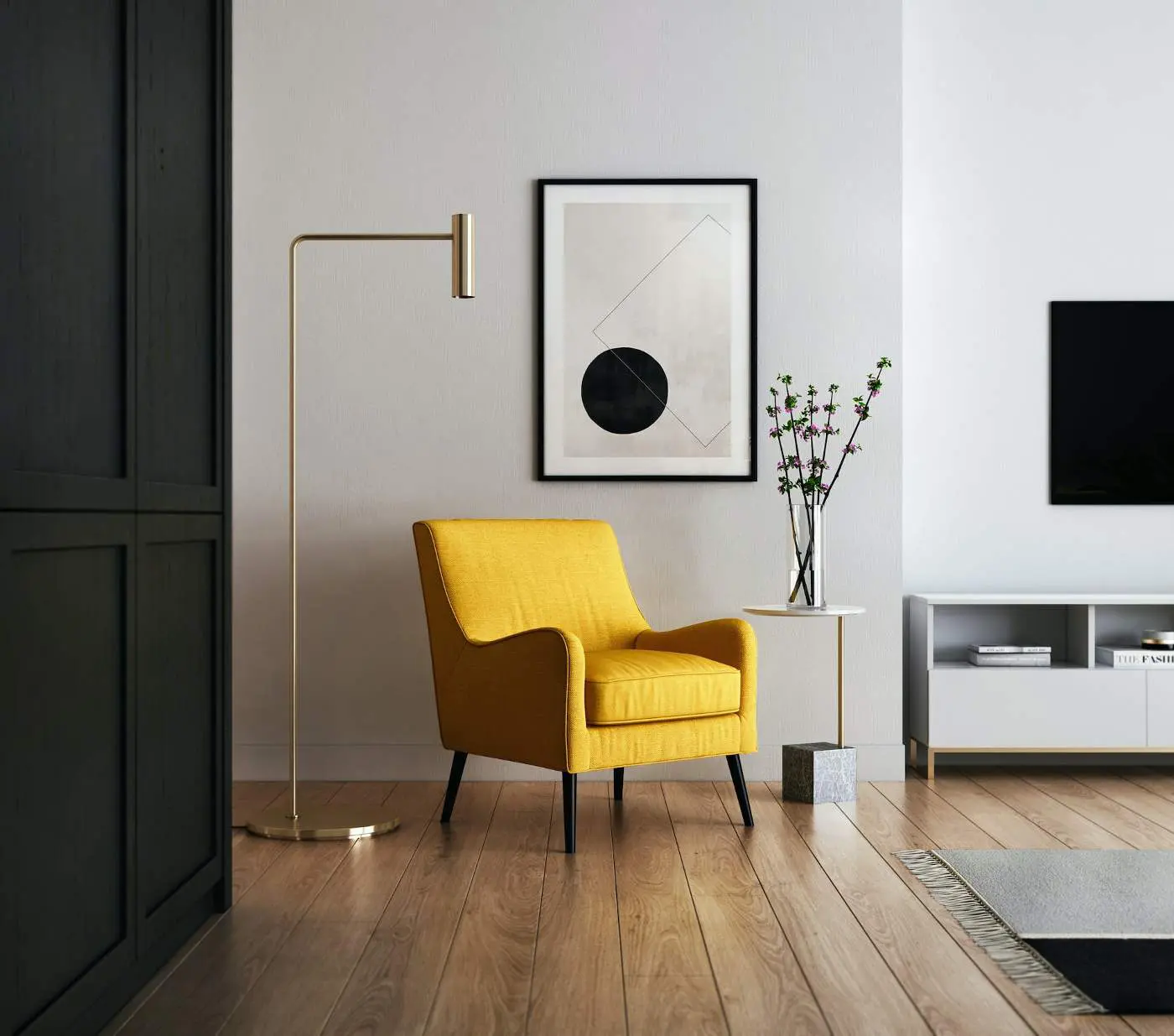
Ergonomics is “the science of work,” says the International Ergonomics Association. It’s the study of the ways in which people interact with their working environments, physically, cognitively and organizationally.
Professor of architecture Buthayna Eilouti states that the “main goal of the integration of ergonomics into architectural design is the optimization of human-built environment interactions to increase of humans’ satisfaction with their built environment and improvement of the performance of buildings.” She states that ergonomic buildings are “more humancentered,” better performing and more socially sustainable.
The applications of ergonomics in building design are incredibly wide-ranging. Practically, they include everything from whether the hall stairs are lit well enough that they can be navigated safely to whether the kitchen countertops are the right height for the person doing the cooking.
Consequently, the health impacts of interacting with a building that’s not ergonomically well-designed vary considerably. Any of the common health impacts of poor ergonomics in the workplace—things like repetitive injuries, sprains, strains, risks of falling, headaches, chronic pain, stress, the list goes on—could be at play for someone regularly interacting with a space that’s not built with them in mind.
“Even though all human activities are executed in a built environment, only a few studies seem to be available about a building design methodology based on an ergonomic approach,” say architects Erminia Attaianese and Gabriella Duca.
While building standards like WELL and LEED promote occupant health and wellbeing, they don’t necessarily focus on how the features of the built space itself might or might not be interacting with the occupants in healthy ways.
Attaianese and Duca suggest that the goal of an ergonomic building design would be to “create working and living spaces actually fitting the needs of inhabitants.” They suggest that user participation in building design, and an interpretation of the needs of diverse users on the part of the building designer, would be critical to the success of such a methodology.
Improving Ergonomics
Approaching the building as a system, they argue, better allows designers to optimize the relationships between the occupant and their built environment. They acknowledge that this is difficult to do when architectural designs are required to adopt certain standards and codes.
New builds and retrofits can improve ergonomics by focusing on intended uses, the abilities, needs, possible behaviours and preferences of building occupants and any future adaptations that might be necessary (measures for aging in place, for example).
Feature image: Spacejoy; Image 1: José Santarém; Image 2: Kari Shea; Image 3: Kam Idris
